Copper Arrived in Canada’s ETF Market
Copper is becoming increasingly important in today's industries. For the first time, Canadian investors can gain exposure to copper through an ETF.

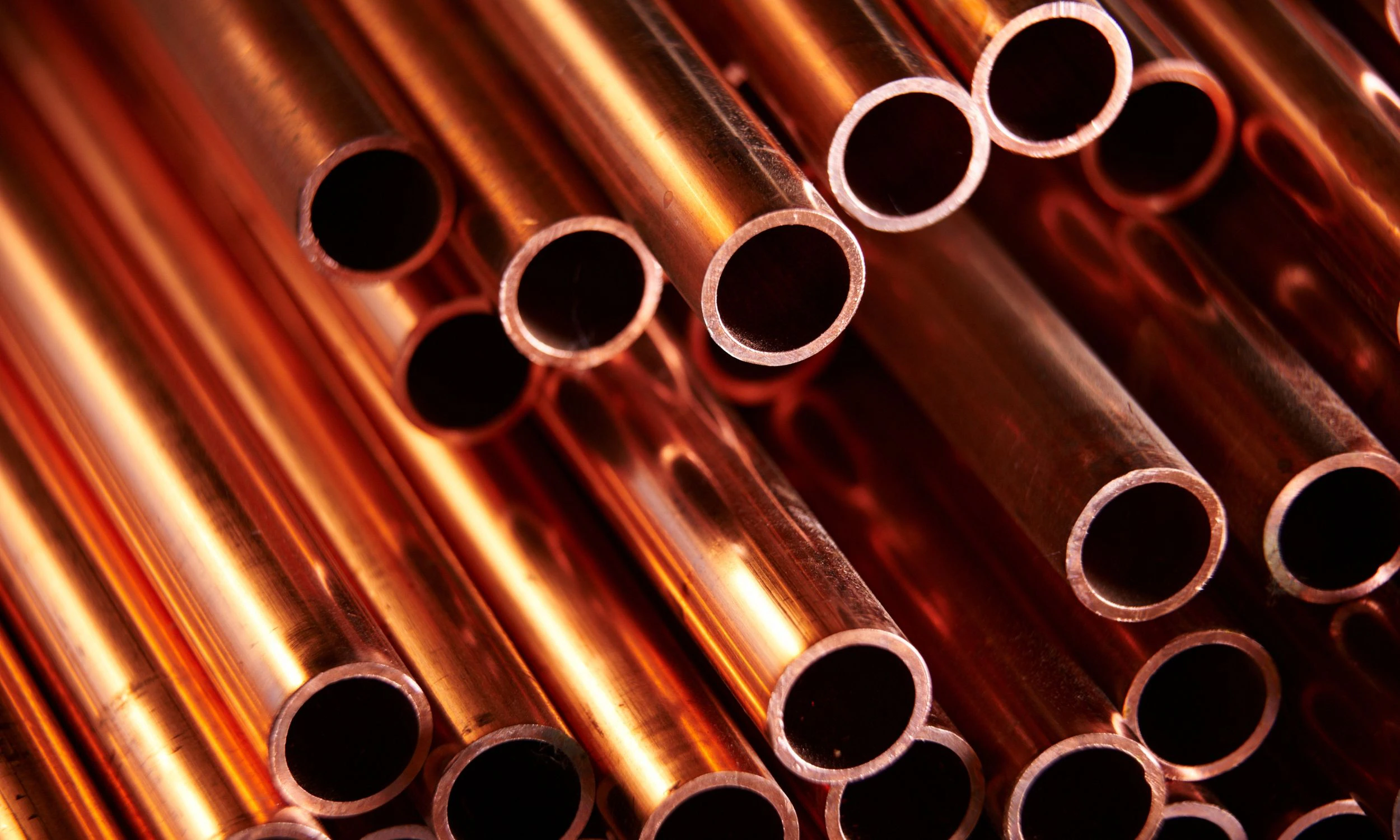
Copper, one of the oldest industrial base metals, remains important and relevant in today’s life. Used in coinage and ornaments thousands of years ago, alloying copper with tin to produce bronze enabled humankind's transition from the Stone age to the Bronze age around 5500 B.C. Fast-forward to today and copper has abundant uses becoming central to the electrification and energy transition. This base metal is employed in urban buildings, power generation and transmission, air conditioning, heating and ventilation, transportation vehicles, and that’s without accounting for the vital role it plays in manufacturing electric vehicles and renewable energy expansion. It is safe to say that copper is advancing society into a greener future.
Copper – Barometer for Economic Health
Copper is believed to be a barometer for economic health and its wide range of applications has earned it the nickname Doctor Copper among market and commodity analysts. The price of copper is often used to gauge the health of the economy since increasing copper usage leads to higher copper prices, which typically correspond to an increase in industrial jobs and economic expansion. The opposite also stands true, with falling copper prices indicating a receding economy and slowing industries.
It is worth noting that Doctor Copper is not infallible; solely relying on copper prices as a leading economic indicator has its own limitations. Supply-demand imbalance and tariffs are among numerous factors affecting the price of copper. For instance, supply disruptions can inflate copper’s price even during adverse economic conditions. Similarly, tariffs are known to artificially alter any commodity’s price irrespective of the aggregate economy.
How to Invest in Copper in Canada?
Investors who are bullish or seeking exposure to copper can directly invest in the base metal by buying the physical commodity or gaining exposure through the purchase of copper futures. Bullion bars can be bought from metal dealers, whereas coins, which are more convenient, can be purchased from smaller dealers. On the other hand, futures contracts are when a copper buyer and a seller enter an agreement to buy or sell the metal on a pre-specified expiration date. Like any other futures contract, the position could be closed before expiration or rolled over to a new contract.
Alternatively, investors can indirectly gain exposure to copper by purchasing stocks of copper mining companies as an equity investment. They can even buy shares in copper mutual funds that hold shares of copper mining companies. Commodity mutual funds can indirectly expose the investors to the commodity’s price. Options trading is another way of indirectly investing in copper. Buying an option gives the buyer the right, but not the obligation, to buy or sell an underlying asset that is linked to copper.
Copper miners’ exchange-traded funds allow investors to overcome the complexities of picking individual copper mining securities. They provide investors with an easy and convenient way to gain exposure to the base metal, by bundling different copper miners’ stocks together in a single basket trading on a stock exchange, with a respective ticker symbol.
And Canadian investors now have a new fund to help gain exposure to copper: the Horizons Copper Producers Index ETF (COPP).
The NEO ETF Screener identifies COPP as the sole copper miners’ ETF currently listed and trading in Canada.
Horizons Copper Producers Index ETF (COPP)
The Horizons Copper Producers Index ETF (COPP) was introduced to the market on May 16th, 2022, as Canada’s first ETF offering access to the performance potential of a range of copper miners. The fund has a management fee of 0.65%, follows a passive management investment strategy and is designed to reflect the performance of the Solactive North American Listed Copper Producers Index giving investors exposure to global small, medium, and large-cap companies listed on North American exchanges. It harnesses the Revere Business Industry Classification System (RBICS) to identify two types of firms: pure-play companies, which are firms classified under the ‘Copper Ore Mining’ RBICS sub-industry; and diversified companies, which are firms that are classified to other subindustries but have the keyword ‘copper’ in their business descriptions. The fund currently holds 17 companies that are active in copper ore mining with CAD$5.7 million of assets under management. COPP seeks to always hedge the US Dollar value of its portfolio to the Canadian Dollar.