ETFs at the Intersection of AI and Pharmaceuticals
Artificial intelligence is reshaping pharmaceutical research and drug development, and healthcare ETFs offer investors a practical way to gain exposure to this emerging intersection of AI and medicine.

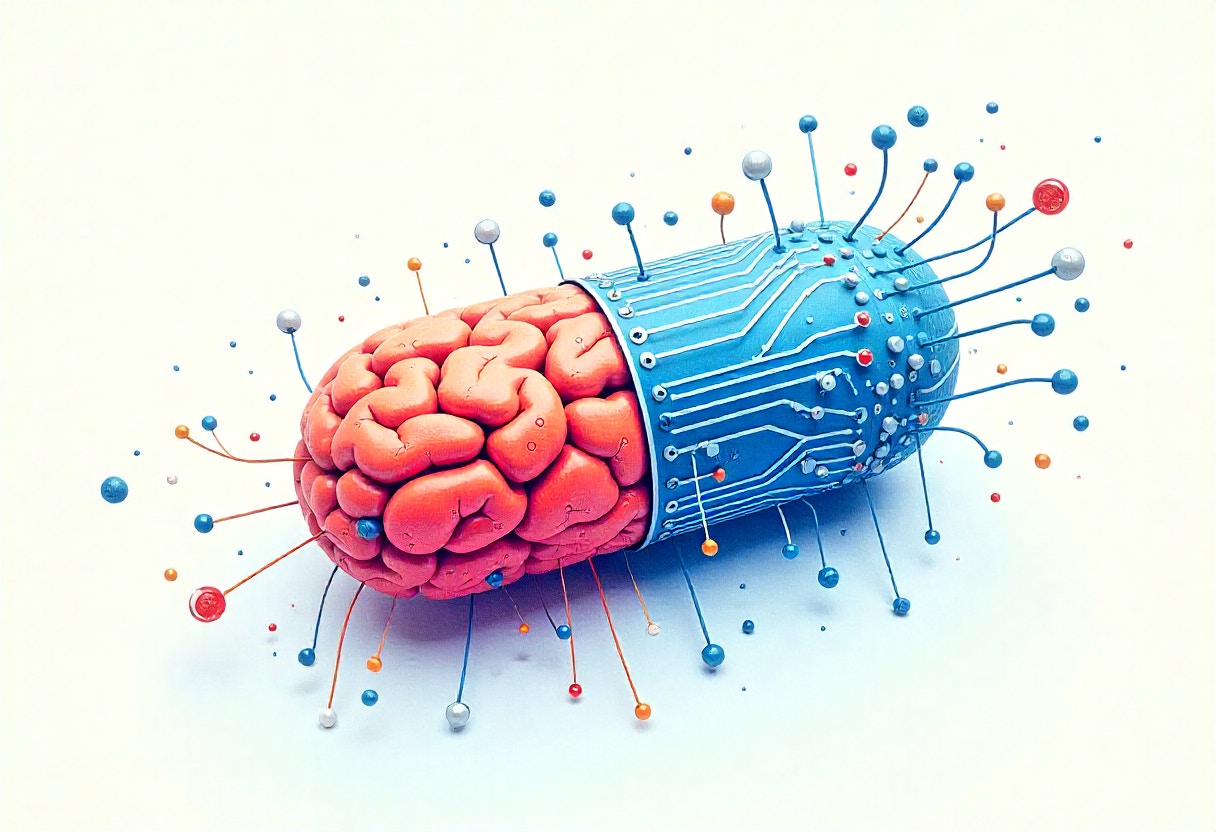
The advancements borne of artificial intelligence are not limited to technological innovation but also extend to scientific discovery, specifically in medicine. Within the healthcare industry, many prominent names are making inroads in utilizing AI to advance research and unearth new medical discoveries. Major firms, such as Novartis, are investing heavily in AI-enabled drug discovery. At the same time, Eli Lilly recently announced an artificial intelligence and machine learning platform that provides biotech companies access to drug discovery models trained on years of its research data.
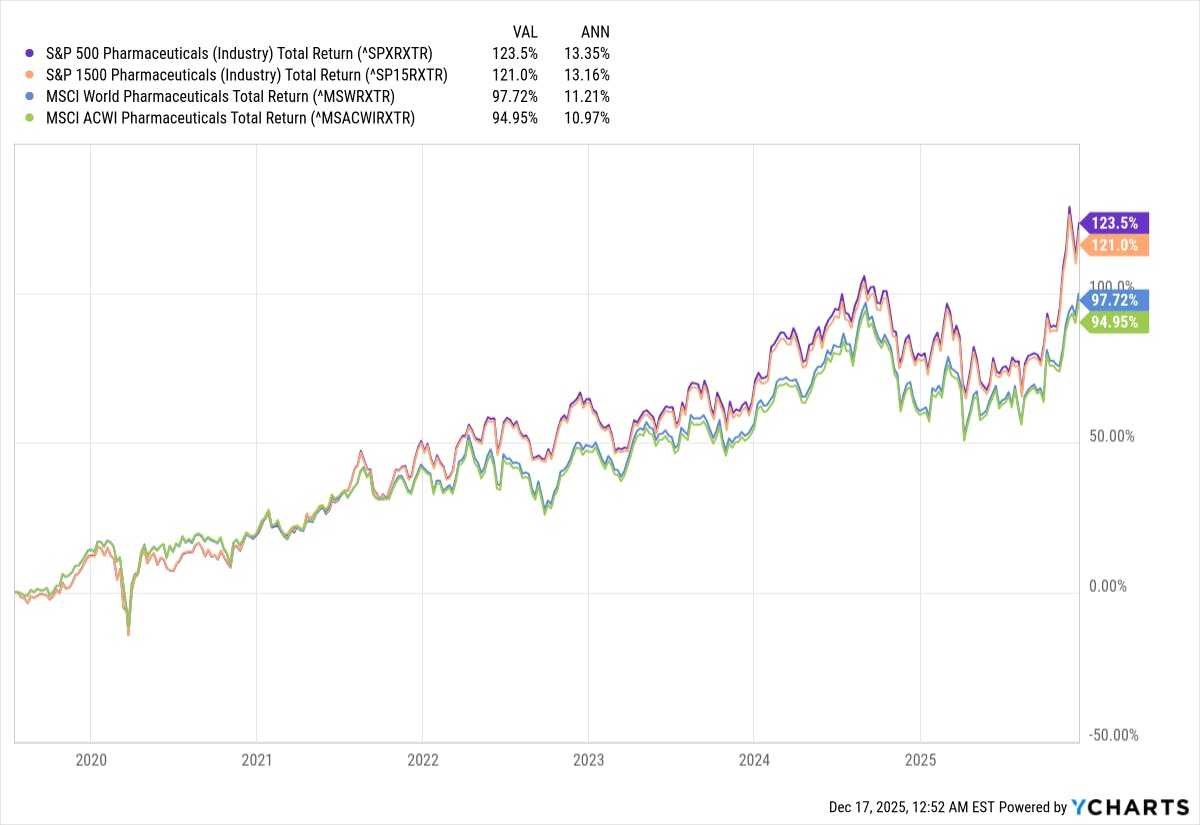
Generally, the health sector has been a key source of wealth creation due to its broad range of investment opportunities, including medical devices, pharmaceuticals, medical equipment and supplies, and healthcare services. Among these segments, pharmaceuticals have been a sector that has rewarded investors.
How AI is Advancing Pharmaceutical Development
As noted in a McKinsey research report titled, Generative AI in the pharmaceutical industry: Moving from hype to reality, AI usage could generate between $60 billion and $110 billion annually in economic value for the pharma and medical-product sectors, mainly because it can enhance productivity by speeding up the process of identifying compounds for potential new drugs, accelerating their development and approval, and improving their marketing.
For instance, accelerating the drug discovery process will enable quicker development of cures for more diseases, freeing up resources to be directed toward areas currently lacking adequate support. Extracting insights and patterns from large amounts of patient data will lead to more personalized treatments and improved patient outcomes. Additionally, generative AI tools could enhance the consistency of patient care by reducing variations in the production and distribution of therapeutics. Finally, by automating repetitive and time-consuming tasks such as document creation and record-keeping, generative AI has the potential to boost the efficiency of researchers and medical liaisons, allowing them to better support clinicians and patients.
AI: A helpful tool in a competitive landscape
Regarding advanced medical research and discoveries, China’s increasing dominance is becoming a key concern for many stakeholders. According to the Harvard Belfer Center for Science and International Affairs, China is closing the gap with the U.S. in biotechnology and is expected to surpass the U.S. in the coming years. China’s focus on biotech has resulted in substantial investments in research and development (R&D) and supportive policies, which have built the essential infrastructure—such as laboratories, a skilled workforce, and funding—to foster rapid sector growth. Chinese biotech companies are advancing pipelines with dozens, sometimes hundreds, of drug candidates reaching Phase 2 trials, after which they often out-license them for further late-stage development.
Given the increasing competition in this arena and the potential for the U.S. to lose its leadership, there is a growing urgency to support the U.S. biotech industry. In a report commissioned by the U.S. National Security Commission on Emerging Biotechnology, it was recommended that the U.S. government spend at least $15 billion over the next five years to support the domestic biotech sector. If said proposal were to go forward, AI usage would likely be among the avenues explored, as doing this would spur significant innovation and accelerate growth for many firms in the biotech and pharmaceutical sector.
Gaining Exposure to Pharmaceutical Companies via ETF
For Canadian investors seeking investment solutions with exposure to prominent, large-scale pharmaceutical firms, several healthcare-themed ETFs offer this exposure, such as:
The CI Global Healthcare Leaders Index ETF (Tickers: CHCL.B/CHCL), which replicates the performance of the Solactive Developed Markets Healthcare 150 CAD Index, which tracks the largest 150 companies from the global healthcare industry. Notable pharmaceutical companies held within the fund are Eli Lilly and Co, Johnson & Johnson, and AbbVie Inc.
The BMO Global Health Care Fund Active ETF Series (Ticker: BGHC), which employs a fundamental analysis approach to identify stocks for inclusion. The fund provides exposure to global, publicly traded health care companies with significant growth potential, with the portfolio manager screening for the most promising investment opportunities within the health care sector. Notable pharmaceutical companies held within the fund are Eli Lilly and Co, Johnson & Johnson, and AbbVie Inc.
For investors seeking single-stock exposure to Eli Lilly, the Harvest Eli Lilly High Income Shares ETF (Tickers: LLYH/LLYH.U) provides access to the firm's growth potential and overlays an active covered call writing strategy on up to 50% of the position to generate high monthly income.
Please note this article is for information purposes only and does not in any way constitute investment advice. It is essential that you seek advice from a registered financial professional prior to making any investment decision.