A Record Short Squeeze Sends Bitcoin and Ether ETFs Surging
A Treasury bond buyback and a wave of short covering drove crypto’s best week in years, lifting Canadian bitcoin, ether and XRP funds and reviving the debasement trade in gold.

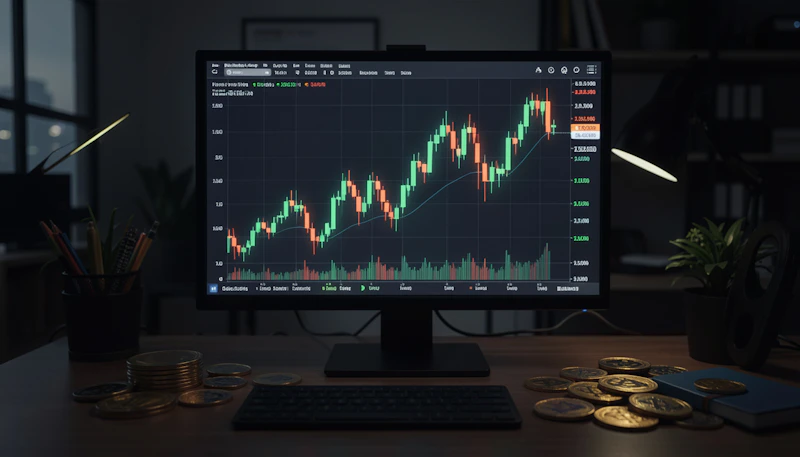
Crypto markets were squeezed hard last week, and Canadian-listed bitcoin, ether and XRP funds captured nearly all of the move. US-listed spot bitcoin ETFs pulled in $1.92 billion over the week, their largest weekly haul since 10 October, while ether ETFs took in $697 million and combined crypto ETF inflows across products reached $2.62 billion, the strongest week since October 2025. Those flows arrived alongside a wave of short covering: a Treasury bond buyback announcement reportedly triggered more than $3 billion in liquidations within 24 hours, on top of over $1 billion in bitcoin shorts unwound within an hour earlier in the week after separate comments from President Trump on pending US crypto legislation.
A Short Squeeze Built on a Bond Market Intervention
The catalyst was policy, not crypto news. US Treasury Secretary Scott Bessent announced a substantial expansion of Treasury buybacks concentrated in longer-dated bonds, an attempt to contain a bond sell-off that had pushed 30-year yields to their highest levels since before the 2008 financial crisis. Yields and the US dollar both fell in response, with the Dollar Index (DXY) sliding to 98.9, below its 200-day average of 99.1.
Because months of range-bound trading had left short positioning stretched, the move broke prices out sharply rather than gradually. Bitcoin surged from around $62,000 to as high as $79,500 before settling above $77,000, a weekly gain of 23.6%, its second-strongest week since early 2021 and best since the March 2023 rally that followed the Silicon Valley Bank crisis. It held above that level into Monday. Ether outperformed, climbing 31.3% from below $1,900 to above $2,520 before retreating to just under $2,500.
Positioning Data Points to Spot Buying, Not Fresh Leverage
Derivatives data, sourced from Coinglass, suggests the rally was driven by spot demand and short covering rather than new leveraged bets. Bitcoin futures open interest slid to a two-month low near 715,000 BTC by Monday, down from a 762,000 BTC high on 18 August; ether, solana and XRP futures showed similar declines even as prices rallied. Funding rates across major tokens sat near an annualised 10%, a bullish tilt with no sign of overheating. Implied volatility moved the other way: bitcoin’s 30-day implied volatility (the BVIV index) rose to 47% from 36% a week earlier, an unusual jump during a rally, since the measure typically climbs during sell-offs rather than advances. By Monday, the move had cooled into consolidation: bitcoin dominance held near 59.2%, altcoins were broadly flat to slightly lower, and the Altcoin Season Index sat at 42 of 100, up from 33 on Friday but still bitcoin-led.
Gold Moves in Step as the Debasement Trade Returns
Bitcoin and ether both closed the week back above their 200-day moving averages, with shorter-term averages turning higher as well, raising the prospect of a “golden cross” some traders read as a longer-term bullish signal. Gold moved in parallel, climbing back above $4,600 an ounce, up roughly 15% over the past month, before extending to around $4,630 on Monday, its highest level since mid-May. The joint move revived talk of the “debasement trade,” the idea that investors turn to scarce assets to hedge against the erosion of currency purchasing power from rising government debt. Threatened new US sanctions on Iran added a further layer, raising the risk of disrupted oil supply and limiting the room for interest rate cuts even as bond yields fell on the buyback news.
Canadian Crypto ETF Performance
Unlike the European dataset, every Canadian crypto category recorded positive flows on the week, ether-tracking funds included, which took in C$25.3 million even before accounting for the price gain. Bitcoin-tracking funds remained the largest category by assets, but XRP-tracking funds again posted the sharpest single-week return at 36.80%.
Fund-by-fund detail
The currency-hedging split among Canadian bitcoin funds is worth noting: CI Galaxy Bitcoin ETF (BTCX.B), an unhedged C$ series, still saw a net outflow of just over C$1 million even as its price return of 21.64% roughly matched its hedged and unhedged peers, while Purpose Bitcoin ETF (BTCC.B) took in the largest single inflow among bitcoin funds at C$11.0 million. Among XRP funds, the hedged Purpose XRP ETF (XRPP) slightly underperformed its unhedged peers on the week, a reminder that hedging costs can shave a percentage point or more off a fast-moving rally even before fees. Fidelity Advantage Ether ETF (FETH) saw no net flow at all despite a 27.41% weekly gain, one of the more notable non-events of the week.
What to Watch This Week
Two Canada-specific developments are worth tracking alongside the global macro calendar. Ottawa’s planned retaliatory tariffs on select US goods, following the collapse of trade talks, add a layer of domestic economic uncertainty that could affect risk appetite independent of the crypto-specific story. Separately, July’s US PCE inflation data and new Federal Reserve Chair Kevin Warsh’s Jackson Hole speech will shape rate-cut expectations this week, with threatened new US sanctions on Iran also in focus given the risk of higher oil prices narrowing the Fed’s room to ease. Bessent has signalled that further Treasury buybacks could follow if long-end yields rise again, a variable that matters for how durable last week’s move proves for both crypto and gold.
This article was written on August 24th, 2026. Please note this article is for information purposes only and does not in any way constitute investment advice. It is essential that you seek advice from a registered financial professional prior to making any investment decision