Iran Conflict Rekindles Oil Risk Premium and ETF Flows
Oil prices surged after escalating tensions involving Iran reignited supply concerns, supporting strong year-to-date performance across Canadian energy and crude oil ETFs.

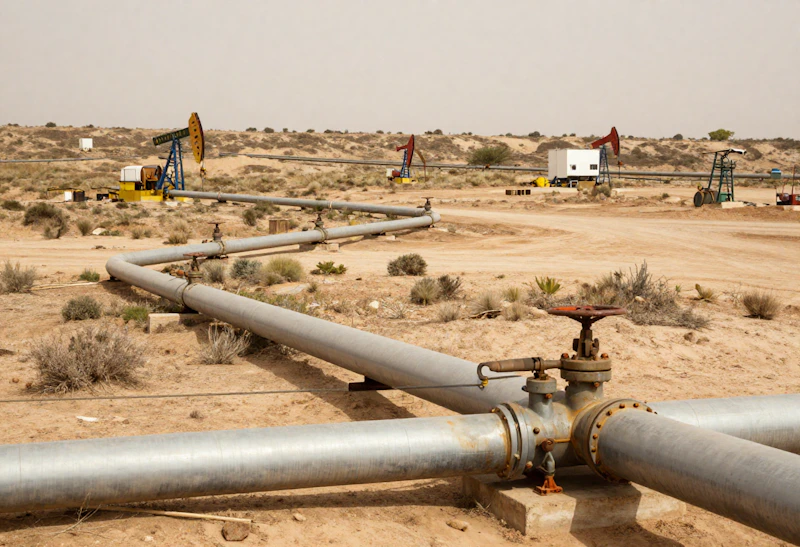
Oil markets moved sharply higher after renewed military escalation involving Iran reintroduced geopolitical risk into global energy pricing. WTI crude rose more than 8% to trade above $72 per barrel, while Brent crude approached $79, marking their strongest levels in months.
The rally followed coordinated strikes targeting Iranian infrastructure and subsequent retaliatory actions across the region. Although physical supply disruptions remain limited so far, markets reacted quickly to the risk of interruptions along critical export routes.
Investor focus centered on the Strait of Hormuz, a narrow maritime passage through which roughly one-fifth of global oil shipments transit each day. Shipping companies began rerouting vessels as a precaution, underscoring how perceived logistical threats alone can tighten expected supply conditions.
Analysts estimate around 15 million barrels per day normally pass through the strait, while alternative pipelines could redirect only a portion of that volume if flows were restricted. Even temporary disruption would materially affect global balances, helping explain the speed of the price adjustment.
Oil Strength Meets Canadian Market Exposure
The geopolitical premium has emerged alongside relatively constrained supply growth. OPEC+ agreed to increase production modestly in April, but the smaller-than-expected output increase left markets sensitive to potential shocks.
For Canadian investors, oil price movements carry additional importance given the domestic equity market’s structural exposure to energy producers. Rising crude prices tend to transmit directly into Canadian oil and gas equities, making energy ETFs a primary vehicle for expressing macro commodity views.
Canadian Energy & Oil ETF Flows Signal Anticipation of Escalation
Last week’s ETF flow data suggests that market participants may be positioning defensively in response to the Iran conflict and wider oil market risk.
Total assets across Canada’s Energy ETF category — encompassing 10 funds and totaling approximately $3.30 billion in assets — recorded robust inflows of $246 million over the past week, with year-to-date capital additions continuing to accumulate. Among these, core equity-based energy exposure is attracting the largest share of flows, reflecting confidence in Canadian oil & gas producers as beneficiaries of higher crude prices.
iShares S&P/TSX Capped Energy Index ETF (XEG), the largest Canadian energy fund with roughly $1.78 billion in assets, saw meaningful weekly inflows of $125.5 million, despite a slight short-term performance drag. Broad participation at the large-cap energy level suggests investors are positioning for higher near-term oil prices rather than focusing solely on dividend or income-oriented exposures.
Yield-enhanced strategies also attracted capital. Hamilton Energy Yield Maximizer ETF (EMAX) recorded $6.7 million in weekly inflows, while covered-call products such as Global X Canadian Oil and Gas Equity Covered Call ETF (ENCC) added nearly $9.7 million. These flows indicate that investors are not only betting on higher prices but also seeking to enhance return profiles through structured income strategies during this period of elevated volatility.
Direct crude exposure through Global X Crude Oil ETF (HUC) — Canada’s primary crude-linked ETF — also posted weekly inflows of about $1.0 million, and is up nearly 12% year to date, reinforcing that tactical positioning is not limited to equities but includes commodity-linked assets as well.
Group Data
Fund Data
Please note this article is for information purposes only and does not in any way constitute investment advice. It is essential that you seek advice from a registered financial professional prior to making any investment decision.